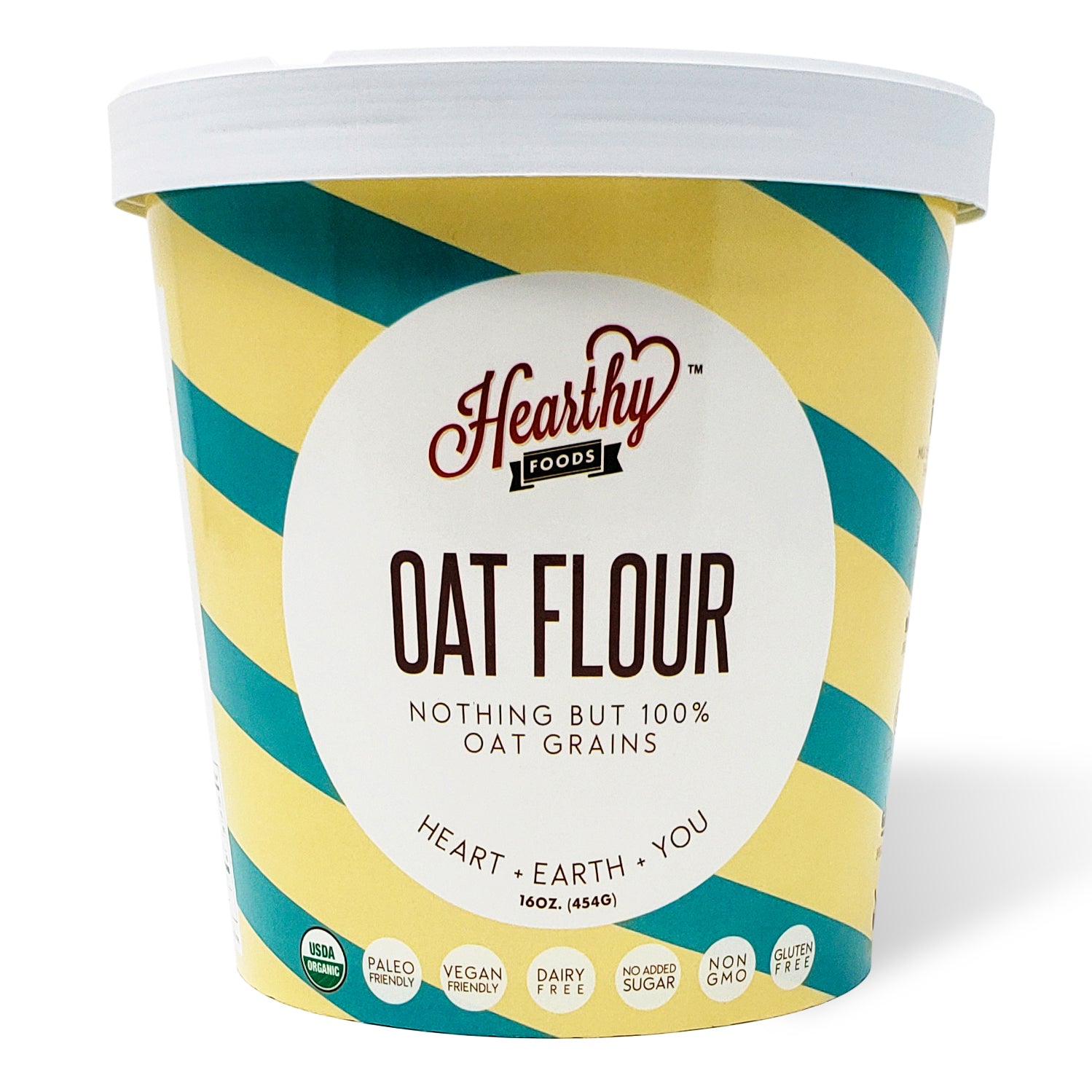
Gluten-Free & Budget-Friendly: The Power of Homemade Oat Flour
In an era where conscious eating and sustainable living are more than just buzzwords, but a way of life, home kitchens are becoming innovation hubs. As we look towards 2026 and beyond, there's a growing movement to reclaim control over our food, sidestepping the additives and preservatives often found in commercially prepared products. Amidst this culinary revolution, one unassuming ingredient is taking center stage:
oat flour. Loved for its unique nutty flavor, impressive nutritional profile, and undeniable versatility, oat flour has emerged as a superstar, especially for those seeking gluten-free alternatives without breaking the bank.
Imagine effortlessly transforming humble oats into a silky-smooth flour that can elevate your baking from ordinary to extraordinary. This isn't just about saving money; it's about empowerment. It's about knowing exactly what goes into your family's meals and enjoying the freshest, healthiest ingredients possible. Whether you're a seasoned baker, a health enthusiast, or simply someone looking to explore new culinary horizons, mastering the art of making oat flour at home is a skill that promises significant rewards.
Why Choose Homemade Oat Flour? A Triple Threat of Health, Savings, and Quality
The allure of homemade oat flour extends far beyond its delightful taste. It represents a confluence of modern dietary trends and timeless principles of good health and economy.
*
Unrivaled Nutritional Benefits: Oats, the foundation of this incredible flour, are renowned for their health-boosting properties. Oat flour retains all these benefits, making it a powerful addition to your diet.
*
High in Fiber: Rich in both soluble and insoluble fiber, oat flour is a champion for digestive health. The soluble fiber, particularly beta-glucan, is known to help lower cholesterol levels and stabilize blood sugar, making it a smart choice for managing diabetes and promoting heart health.
*
Excellent Source of Protein: Providing a good amount of plant-based protein, oat flour contributes to muscle repair, satiety, and overall well-being.
*
Packed with Vitamins and Minerals: Beyond fiber and protein, oat flour delivers essential nutrients like manganese, phosphorus, magnesium, iron, zinc, and B vitamins (B1, B5). These micronutrients play crucial roles in energy production, immune function, and maintaining healthy bones.
*
Naturally Gluten-Free (with a caveat): For individuals with gluten sensitivity or celiac disease, oat flour is a fantastic alternative to traditional wheat flours. However, it’s vital to opt for *certified gluten-free oats* to avoid cross-contamination that can occur during processing and packaging in facilities that also handle wheat, barley, or rye. This small but crucial step ensures your homemade oat flour truly meets your dietary needs.
*
Significant Cost Savings: Walk into any health food store, and you'll notice that pre-packaged gluten-free flours often come with a premium price tag. Oat flour is no exception. By purchasing whole rolled oats, which are typically very affordable, and grinding them yourself, you can dramatically cut down on your grocery bill. The difference in cost between a bag of whole oats and a bag of pre-made oat flour can be substantial, making homemade a truly budget-friendly choice that doesn't compromise on quality.
*
Complete Quality Control: When you make oat flour at home, you are the master of your ingredients. You choose the type of oats – organic, non-GMO, certified gluten-free – ensuring purity and freshness. This control eliminates concerns about hidden preservatives, anti-caking agents, or unwanted additives that can sometimes be found in commercial products. It's a transparent process that empowers you to create the healthiest possible baked goods for your family.
The Simple Art of Making Oat Flour: Your Step-by-Step Guide
Crafting your own oat flour is surprisingly easy, requiring minimal equipment and just one key ingredient. It’s a rewarding process that takes just minutes to complete.
What You'll Need:
*
Whole Oats: This is your star ingredient. Rolled oats are most commonly used and yield a fine, consistent flour. Quick oats can also work but may produce a slightly different texture due to their smaller, pre-steamed nature. Steel-cut oats can be used but will require more blending time due to their coarser cut. Always choose pure, unflavored oats. For gluten-free needs, select *certified gluten-free rolled oats*.
*
A Powerful Blender or Food Processor: A high-speed blender is ideal for achieving the finest, silkiest flour. A food processor can also do the job, though it might take a bit longer to reach the desired consistency.
*
A Fine-Mesh Sieve or Strainer: Essential for ensuring a uniformly fine flour, removing any stubborn larger pieces.
*
An Airtight Container: For optimal storage and freshness.
The Easy Steps:
- Measure Your Oats: Decide how much oat flour you want to make. A good rule of thumb is that 1 cup of whole oats typically yields about 1 cup of oat flour. However, this can vary slightly based on the type of oats and how finely you grind them. Don't overfill your blender or food processor; work in batches if necessary for best results and to avoid overheating the motor.
- Load and Blend: Carefully transfer your measured oats into the blending container. Secure the lid. Start blending on a low speed to break up the oats, then gradually increase to high. Blend for about 30 seconds to 1 minute. You're looking for a fine, powdery consistency. Periodically stop, shake the blender, or stir the oats to ensure even grinding and prevent clumping.
- Check and Sift: After about 30-60 seconds, check the texture. Pour the "flour" through your fine-mesh sieve into a clean bowl. Gently shake the sieve to allow the fine flour to pass through. Any larger, unground pieces will remain in the sieve.
- Re-Blend (if necessary): If you have a significant amount of larger oat pieces left in the sieve, return them to the blender and blend again until they reach the desired fineness. Repeat the sifting process.
- Store Properly: Once you have a batch of beautifully fine oat flour, transfer it to an airtight container. Your homemade oat flour is now ready to use!
Expert Tips for Perfection:
*
Don't Overheat: Blending for too long can generate heat, which can start to cook the oats slightly or make the flour clump. Use short bursts or pulse if your blender runs hot.
*
Consider Toasted Oats: For an extra layer of flavor, lightly toast your rolled oats in a dry pan over medium heat for a few minutes before grinding. Let them cool completely before blending. This will impart a deeper, nuttier aroma to your
Make Your Own Oat Flour: A Step-by-Step Guide for Healthier Cooking.
*
Batch Size Matters: While larger blenders can handle more, smaller batches often yield a finer, more consistent grind.
Unleashing the Versatility of Oat Flour in Your Kitchen
Once you have your fresh batch of homemade oat flour, a world of culinary possibilities opens up. Its mildly nutty, slightly sweet flavor profile makes it a delightful addition to both sweet and savory dishes.
*
Baking Brilliance: This is where oat flour truly shines.
*
Pancakes & Waffles: Create incredibly light and fluffy pancakes or crispy waffles.
*
Muffins & Quick Breads: Replace a portion of wheat flour in your favorite muffin, scone, or quick bread recipes for added moisture, flavor, and fiber.
*
Cookies & Bars: Oat flour lends a wonderfully chewy texture and wholesome flavor to cookies, brownies, and granola bars.
*
Breads: While oat flour lacks gluten, it can be used in combination with other gluten-free flours or a small amount of wheat flour (if not strictly gluten-free) to make delicious loaves of bread.
*
Pizza Dough: Experiment with adding oat flour to your pizza dough for a unique texture and flavor.
*
Beyond Baking: Oat flour's utility isn't limited to the oven.
*
Thickener: Use it as a natural, gluten-free thickener for gravies, soups, and stews. Its fine texture incorporates smoothly without leaving a grainy residue.
*
Breading: A fantastic alternative for breading chicken, fish, or vegetables, offering a subtle crispness and flavor.
*
Smoothies: A spoonful of oat flour can add a boost of fiber and protein to your morning smoothie, making it more filling and nutritious.
When substituting oat flour in recipes, especially in baking, remember that it absorbs more liquid than traditional wheat flour due to its high fiber content. You might need to adjust liquid amounts slightly, or consider substituting by weight (often 1:1) rather than volume. For complex gluten-free baking, combining oat flour with other gluten-free flours (like rice flour, almond flour, or tapioca starch) can create optimal texture and structure.
Optimizing Storage for Lasting Freshness
Proper storage is key to maintaining the freshness and extending the shelf life of your homemade oat flour. Taking a few simple precautions will ensure your flour is ready whenever inspiration strikes.
*
Airtight is Essential: Always store your oat flour in an airtight container. This prevents moisture absorption, protects against pantry pests, and keeps out odors from other foods that could affect its flavor. Glass jars with tight-fitting lids, or sturdy plastic containers, are excellent choices.
*
Cool, Dark Pantry: For immediate to short-term use, a cool, dark pantry is ideal. Stored this way, homemade oat flour can maintain its quality for up to 3 months. Avoid storing it near heat sources like ovens or windows, as warmth can accelerate spoilage.
*
Refrigeration for Extended Freshness: If you plan to keep your oat flour for longer than a few weeks, or if you live in a warm, humid climate, the refrigerator is your best friend. In the fridge, oat flour can stay fresh for up to 6 months.
*
Freezing for Long-Term Storage: For truly long-term storage, the freezer is an excellent option. Properly stored in an airtight, freezer-safe container, oat flour can last for up to a year. This is particularly useful if you like to make large batches.
Important Usage Tip: Whether stored in the fridge or freezer, always bring your oat flour back to room temperature before using it in recipes. Cold flour can affect the texture of your baked goods, and introducing cold flour directly into a recipe can sometimes cause condensation, leading to clumps. Simply scoop out the amount you need and let it sit on the counter for 15-30 minutes.
Before each use, give your oat flour a quick check. Look for any signs of discoloration, unusual odors (it should smell mildly sweet and nutty), or changes in texture. If anything seems off, it's best to discard it and make a fresh batch. For more detailed tips on preserving your homemade flour, check out
Unlock Healthier Baking: Simple Steps to Make & Store Oat Flour.
Embracing homemade oat flour is a simple yet powerful step towards healthier, more economical, and more mindful eating. It’s an empowering culinary skill that puts you in control of your ingredients, allowing you to whip up delicious, nutritious, and gluten-friendly creations with ease. So, gather your oats, fire up your blender, and dive into the satisfying world of homemade oat flour – your taste buds and your wallet will thank you!